
Reaction Monitoring
Knowing exactly when a reaction has reached its completion point is essential in chemical, pharmaceutical, polymer, and other industrial processes, ensuring every batch meets quality standards and delivers consistent, reliable performance. Brimrose NIR solutions, built with solid‑state AOTF modules, enable spectrometers to mount directly onto the reactor for real‑time, non‑destructive measurement. This setup helps you determine reaction completion, shorten production time, and reduce your overall cost to market.
Proper Reaction
Proper reaction control is essential for achieving batch uniformity and maintaining high production standards. Each material must react fully to achieve the desired properties, and incomplete reactions can impact product performance. Real‑time NIR monitoring ensures the true endpoint, improving efficiency and ensuring consistent results.
A Better Way to Monitor Reaction Endpoints
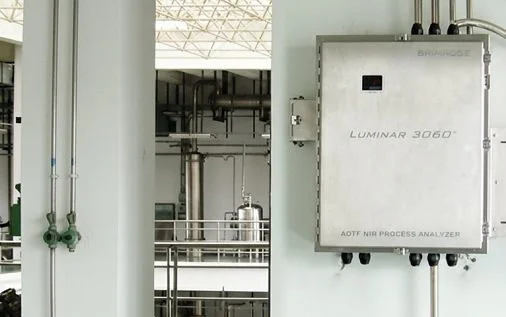
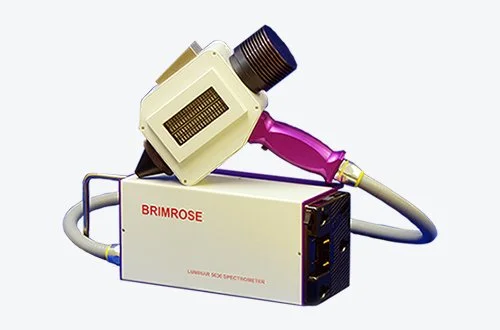
Brimrose Luminar 3060 Multiplexer for Monitoring Multiple Batches Simultaneously
Our NIR spectrometers deliver a faster, more efficient approach to determining reaction completion. These non‑destructive, real‑time instruments continuously track critical reaction parameters, keeping reactions from stopping too early or progressing beyond the optimal endpoint. With precise endpoint identification, you shorten manufacturing time, maintain full control of the process, and consistently enhance product quality.
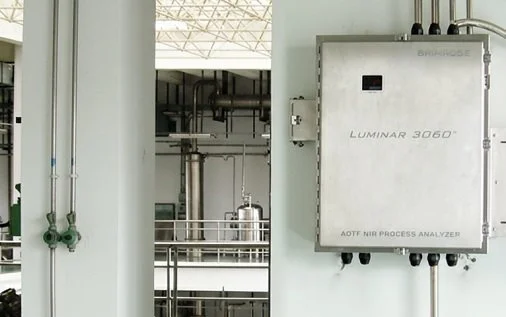
Brimrose Luminar 3060 Multiplexer for Monitoring Multiple Batches Simultaneously
Monitor Reactions for Every Batch — The portable design lets you move the spectrometer from reactor to reactor, enabling real-time reaction monitoring across your entire production line.
Control Your Reaction Process — Real‑time monitoring shows you exactly how the reaction is progressing. You know exactly when the reaction reaches its endpoint, which helps you shorten cycle times, reduce inconsistency, and make your overall process more efficient.

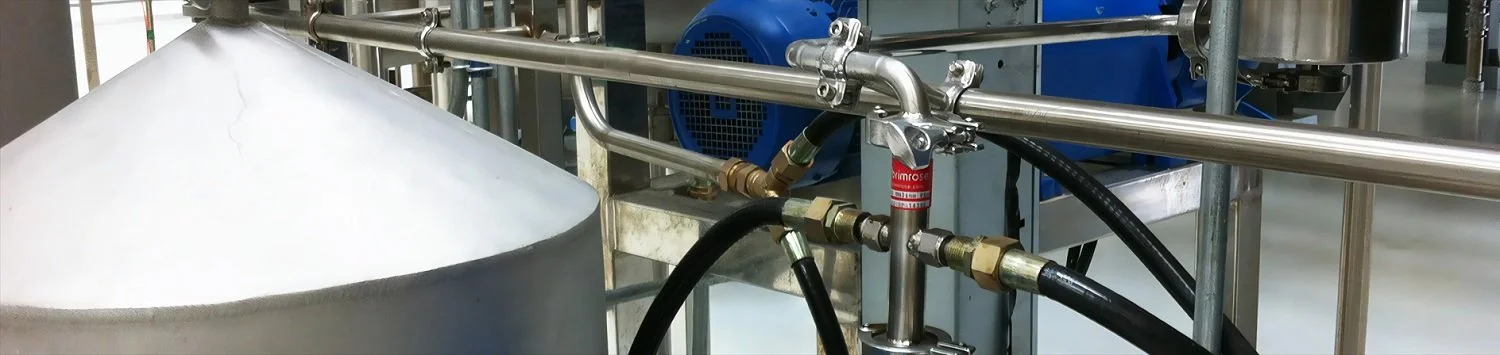
Brimrose Custom Flow Cell in Place During Reaction Monitoring
Proven Benefits That Drive Performance
Real‑time reaction monitoring provides measurable performance benefits across your entire operation, including:
Precise quantitative and qualitative results
Faster product turnover
More efficient reaction cycles
Reduced material waste and fewer corrections
Reliable reaction endpoint confirmation
Proven Benefits That Drive Performance
Real‑time reaction monitoring delivers powerful, measurable advantages across your entire operation, including:
Precise quantitative and qualitative results
Faster product turnover
More efficient reaction cycles
Reduced material waste and fewer corrections
Reliable reaction endpoint confirmation
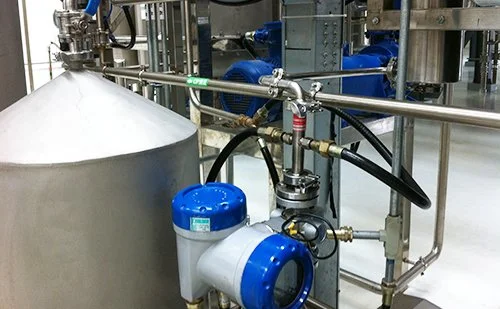
Brimrose Custom Flow Cell in Place During Reaction Monitoring
Solution Note & NIR Application Reports
We provide a featured Solution Note and a selection of NIR application reports that demonstrate our capabilities in real‑time reaction monitoring for chemical and pharmaceutical process analysis. If you would like access to any of these reports or additional application data, please contact us to request a copy.
Measuring Progression in a Bromination-Chlorination Reaction — This study demonstrates real‑time tracking of a halogenation reaction with a Brimrose AOTF-NIR laboratory spectrometer with fiber‑optic attached to a transflectance probe.
Appendix: Same Reaction Progression Study — This follow‑up study expands on the original experiment, including additional reaction runs, validation of the initial results, and more detailed spectral interpretation.
Model Options


Find the Right NIR Solution for Your Application
Tell us about your reaction‑monitoring application, and and our experts will help you identify the optimal NIR solution or spectrometer configuration for your process.