
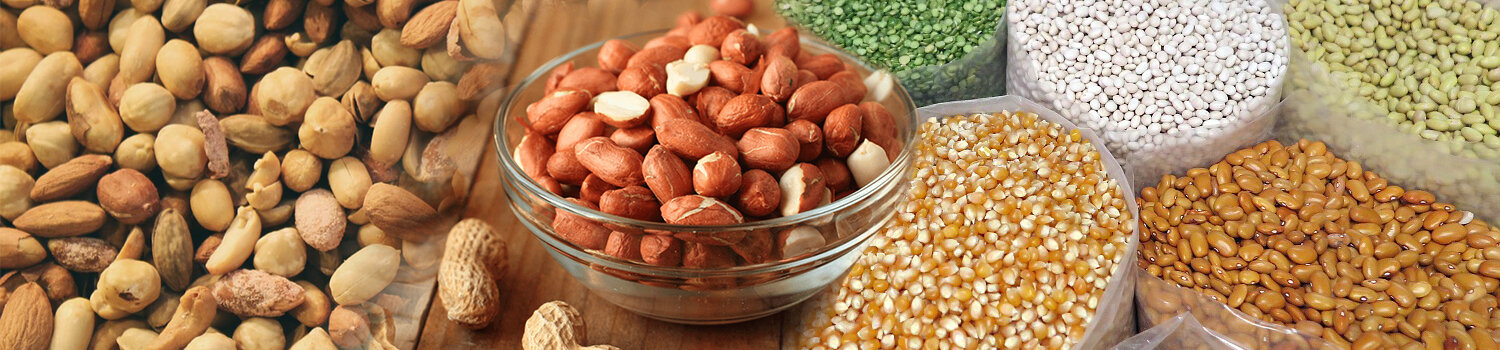
Seed and Peanut Measurement & Sorting
Determining the fatty‑acid content of seeds is essential for accurate seed classification. Oleic acid—one of the most important fatty acids—occurs naturally in many oils, and peanuts are especially valued for their high‑oleic content, which offers advantages over other edible oils. Traditionally, laboratories measure peanuts’ acid content using gas chromatography (GC), a method that is accurate but costly, labor‑intensive, and too slow for the high‑capacity demands of breeding programs. Breeders must rapidly analyze and sort vast numbers of seeds at every stage, especially during harvest, making GC a significant constraint.
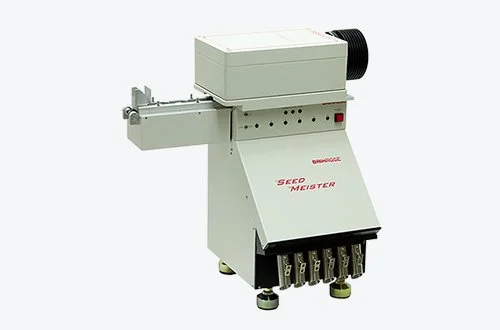
Our spectrometer provides a fast, non‑destructive NIR solution for analyzing large sample volumes with minimal labor. With true single‑seed analysis, SeedMeister enables breeders to rapidly discriminate, qualify, and sort peanuts based on desired fatty‑acid traits. Thousands of samples can be tested quickly and cost‑effectively, supporting faster, more informed decision‑making throughout the breeding process.
A Better Way to Sort Seeds by Key Quality Traits
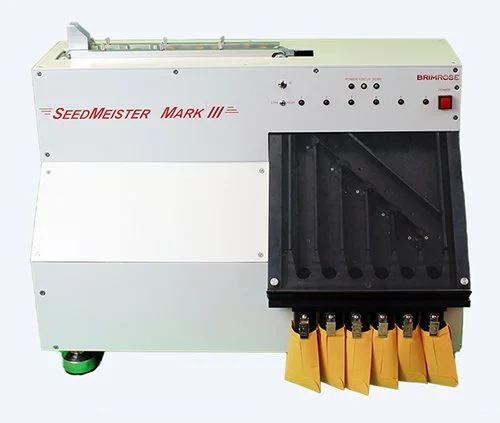
Sorting Peanut with Brimrose Luminar 3076 SeedMeister Mark IIIx
The SEEDMEISTER Mark IIIx offers a fast, non‑destructive alternative to GC, delivering an accurate and repeatable solution for sorting peanuts based on their oleic and linoleic acid content.
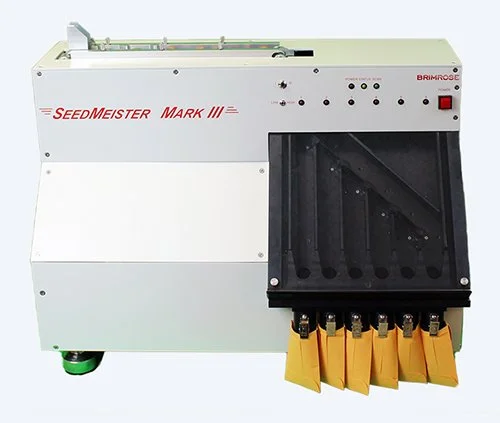
Sorting Peanut with Brimrose Luminar 3076 SeedMeister Mark IIIx
The process involves four key steps:
Model Development Using GC Reference Data — GC measurements of oleic and linoleic acids are used to create the calibration models for accurate NIR predictions.
Rapid Configuration of the SEEDMEISTER Mark IIIx — The SEEDMEISTER Mark IIIx spectrometer is quickly configured to scan individual seeds with minimal setup time.
Model Deployment for Real‑Time Prediction — Calibration models are imported to the SEEDMEISTER’s software to predict each peanut’s oleic and linoleic acid levels during scanning.
Automated Sorting Based on Predicted Results — Peanuts are automatically directed to sorting gates according to their predicted fatty‑acid results.
Beyond peanuts, our spectrometers can also measure and sort many other seed types, including coffee beans, soybeans, watermelon, corn, and more, using application‑specific calibration models.

Measuring and Sorting Corn with
Brimrose Luminar 3076 SeedMeister
Proven Benefits That Drive Performance
Successful implementation of the SEEDMEISTER Mark IIIx delivers several proven benefits:
The breeding cycle may be shortened.
Minimizing GC analysis lowers the use of chemicals and solvents that pose health and environmental risks.
The SEEDMEISTER Mark IIIx can analyze up to 100 seeds in only 4 minutes, a process that would take more than 24 hours using GC.
Large volumes of seed can be tested at a site with zero testing costs and without destruction, giving producers and manufacturers assurance that their products meet customer specifications.
Proven Benefits That Drive Performance
Successful implementation of the SEEDMEISTER Mark IIIx delivers several proven benefits:
The breeding cycle may be shortened.
Minimizing GC analysis lowers the use of chemicals and solvents that pose health and environmental risks.
The SEEDMEISTER Mark IIIx can analyze up to 100 seeds in about 4 minutes, a process that would take more than 24 hours using GC.
Large volumes of seed can be tested at a site with zero testing costs and without destruction, giving producers and manufacturers assurance that their products meet customer specifications.
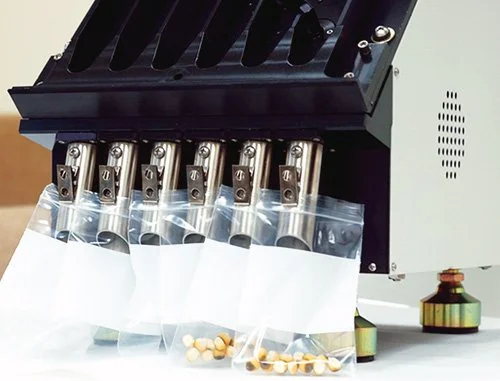
Measuring and Sorting Corn with
Brimrose Luminar 3076 SeedMeister
Solution Notes & NIR Application Reports
We provide featured Solution Notes and a selection of NIR application reports that show how our NIR spectrometers deliver fast, real‑time measurement of essential seed traits including moisture, oil, and protein to help you test more efficiently and make better decisions. If you would like access to any of these reports or additional application data, please contact us to request a copy.
Solution Notes
NIR Application Reports
Determination of Percent Oil, Protein, and Moisture in Bulk Corn Kernels
Discrimination Analysis of Corn Varieties HY5, HY7, and Dent
Predicting Hybrid and Inbred Watermelon Seeds
Determination of Percent Oleic and Linoleic Acid In Sunflower Seeds
Feasibility Study — Development of a Quantitative Method of Analysis for Protein in Soybeans
SeedMeister Demonstrations
Model Options

Find the Right NIR Solution for Your Application
Tell us about your seed sorting or seed analysis needs, and our experts will help you identify the optimal NIR solution or spectrometer configuration for your process.